Buying your first home in Middletown Township can feel exciting and overwhelming at the same time. You may be wondering how much home you can really afford, how fast you need to move, and what New Jersey steps you should expect along the way. The good news is that with the right plan, the process becomes much more manageable. Let’s walk through what first-time buyers should know before making a move in Middletown.
What first-time buyers can expect in Middletown
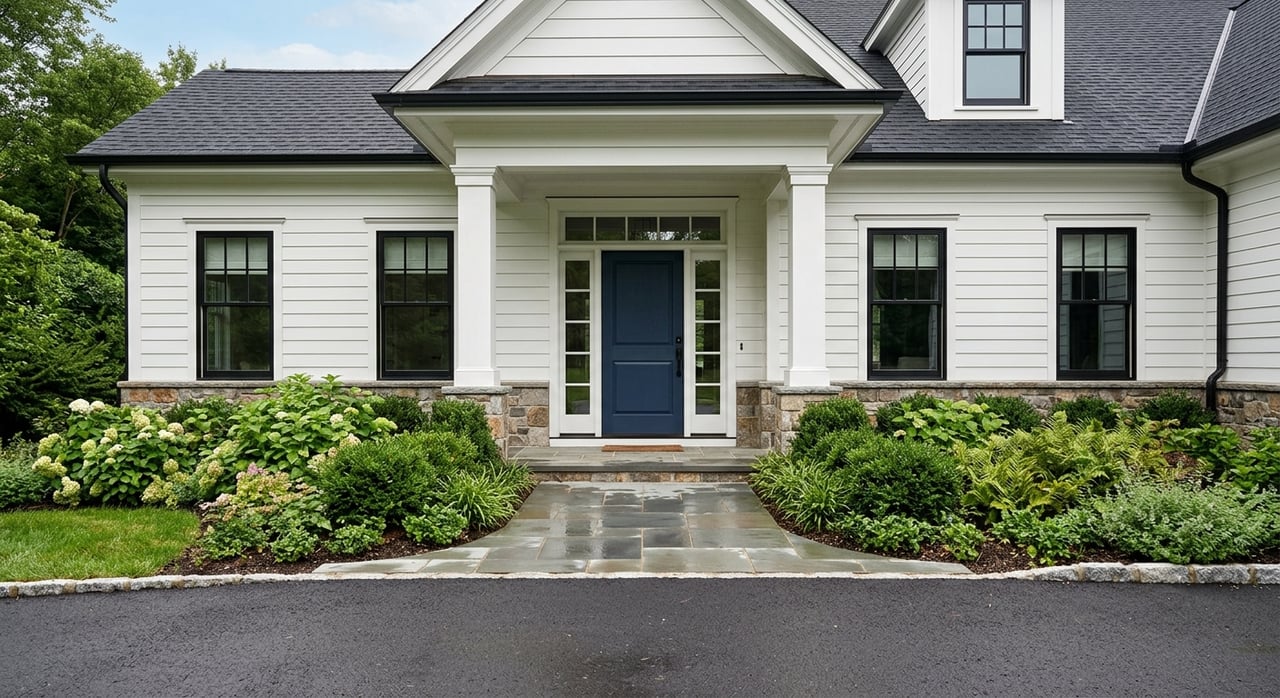
Middletown is primarily a single-family home market. The township housing plan reported that 78.2% of housing units were 1-unit detached homes in 2020, and Census data shows a high owner-occupied rate of 85.7%.
That matters because your search will likely focus first on detached houses, with condos and other attached options making up a much smaller share of available homes. If you are open to different property types, it helps to know early that the attached-home lane may offer fewer choices.
Current market snapshots also suggest Middletown remains competitive. April 2026 portal data described the area as a seller’s market, with 201 homes for sale, a median listing price of $699,900, a median sold price of $757,500, and a median of 24 days on market.
These portal figures are directional, not exact MLS counts, but they still tell you something important. Homes can move quickly, so preparation matters before you start touring seriously.
Start with a realistic monthly budget
One of the biggest first-time buyer mistakes is focusing only on the mortgage payment. In Middletown, you need to build your budget around the full monthly cost of ownership.
For 2024, the average residential property tax bill in Middletown was $10,674. That works out to roughly $890 per month in property taxes alone, before you add principal, interest, homeowners insurance, utilities, and maintenance.
Census data adds helpful context here. The median selected monthly owner costs with a mortgage were $3,107, which is a reminder that affordability is about the full picture, not just the loan amount.
You should also remember that Middletown completed a district-wide reassessment to 100% market value for tax year 2024. That means a seller’s current tax bill may not tell the whole story, and your tax obligation could shift after a sale.
Plan for closing costs early
Your cash needed to close will likely be more than just your down payment. The New Jersey Department of Banking and Insurance advises buyers to budget about 3% to 4% of the purchase price for nonrecurring closing costs.
Those costs can include:
- Appraisal fees
- Inspection costs
- Title insurance
- Survey fees
- Other transaction-related charges tied to the loan and closing process
If you are creating a savings target, build this into your plan from the start. That way, you are not caught off guard after your offer is accepted.
Check first-time buyer assistance options
If you have not owned a home in the last three years, NJHMFA may consider you a first-time buyer. That definition matters because it can open the door to New Jersey assistance programs if you qualify.
NJHMFA’s statewide Down Payment Assistance Program provides up to $15,000, based on the county where the property is located. It is structured as an interest-free, five-year forgivable second loan and must be paired with an NJHMFA first mortgage.
For eligible buyers, the First Generation Down Payment Assistance Program can add another $7,000. That brings total possible assistance to $17,000 to $22,000, though income and purchase price limits apply.
Because these programs are accessed through participating lenders, it is smart to confirm eligibility before you fall in love with a house. That early step can help you understand both your buying power and your best financing path.
Get pre-approved before you tour heavily
In a market where homes can move fast, pre-approval is a practical advantage. NJHMFA advises buyers to start with a budget and then get pre-qualified or pre-approved.
According to NJDOBI, pre-qualification generally takes about two days. Pre-approval usually lasts 60 to 90 days, and if you are not pre-approved, mortgage processing can take 30 to 90 days after an offer is accepted.
That timeline can matter in Middletown. If inventory is tight and homes are moving quickly, sellers may prefer buyers who already have their financing lined up.
Know what goes into a New Jersey offer
Once you find the right home, your offer needs more than a price. In New Jersey, a purchase offer should spell out the down payment, earnest money deposit, included fixtures or appliances, financing deadline, closing date, possession date, and title and inspection provisions.
Earnest money is normally held in escrow. Depending on the terms of the contract, that deposit may be returned or forfeited, so it is important to understand what triggers each outcome.
For first-time buyers, this is where clear guidance makes a big difference. A strong offer is not just competitive. It is also complete, well-timed, and written with the right protections.
Understand attorney review in New Jersey
New Jersey has a step that surprises many first-time buyers from other states: attorney review. If a real estate licensee prepared the contract, it must include a three-business-day attorney review clause.
During that period, your attorney can propose changes or void the deal. This is a standard part of the process in New Jersey, and it is one reason why an accepted offer is not quite the same as a fully binding contract on day one.
It is also important to know that the attorney handling the closing does not automatically represent you. If you want legal advice that is specific to your interests, make sure you have your own attorney involved.
Build inspections into your timeline
A home inspection is not just a formality. NJDOBI recommends that a qualified independent inspection happen soon after the contract becomes binding.
Depending on the property, your due diligence may include more than a general home inspection. Some homes may also call for termite inspections, surveys, well testing, septic certification, flood searches, radon testing, smoke detector certification, and certificate of occupancy items before closing.
In Middletown, this step deserves extra attention because housing stock can vary and some properties involve additional systems or site conditions. Giving yourself time for proper inspections helps you make an informed decision, not a rushed one.
Older homes and special property systems
If you are buying an older home, pre-1978 properties require lead-based paint disclosure. That should be part of your standard review, not an afterthought.
If the home has a private well, New Jersey’s Private Well Testing Act requires water testing and review before closing. If the property uses a septic system, inspection is recommended so you understand its condition and maintenance needs.
These items are manageable when they are expected early. They become stressful only when buyers discover them too late in the process.
Radon belongs on the checklist
Radon testing is common in New Jersey real estate transactions. The New Jersey Department of Environmental Protection says only state-certified companies can test or mitigate radon.
For first-time buyers in Middletown, this is best treated as a standard part of due diligence. It should sit right alongside your home inspection planning, especially if you want a smoother path from contract to closing.
Flood risk is a real part of Middletown due diligence
Flood risk should be part of your home search in Middletown from the beginning. The township reports that FEMA counts 3,401 buildings and 4,623 acres in the Special Flood Hazard Area.
That does not mean every home has the same exposure, but it does mean flood review is not an unusual edge case here. It is ordinary due diligence.
This matters for both cost and timing. New Jersey emergency management guidance states that homeowners insurance does not cover flood damage, and flood insurance is a separate policy that usually takes 30 days to become effective.
If a property is in a flood-prone area, ask early about flood zone status, insurance needs, and how that may affect your monthly housing costs. Since March 20, 2024, New Jersey’s flood-risk disclosure law also requires sellers to disclose flood risk information before the buyer is obligated under the contract.
Attached homes may involve more paperwork
If you are considering a condo or similar common-interest property, expect more documents. In New Jersey, these communities fall under the Planned Real Estate Development Full Disclosure Act, which requires a developer to register an offering plan before selling units.
For buyers, the takeaway is simple. Attached homes often come with a larger document stack than a detached house, so you should leave time to review community materials carefully.
That may still be a great fit for your goals, especially if you want a lower-maintenance property type. Just be prepared for a different review process.
Keep the final steps organized
As closing gets closer, the process becomes more detail-heavy. NJDOBI advises buyers to have homeowners insurance in place before closing, and to remember that flood insurance is separate when needed.
You should also reserve time and cash for final closing items, including insurance binders and last-minute adjustments. A final walk-through the day before settlement is recommended so you can confirm repairs, condition, and occupancy.
This is one of the best ways to reduce stress at the finish line. When your timeline is structured, you are less likely to feel rushed by the final paperwork and logistics.
A smart first-home strategy for Middletown
If you are buying your first home in Middletown Township, the most important move is to get organized before you start making offers. A clear budget, a solid pre-approval, and an inspection plan that reflects the property’s age, systems, and flood context can save you time, money, and frustration.
Middletown offers a largely owner-occupied housing market with a strong single-family home focus, but it also comes with real New Jersey-specific details that first-time buyers need to understand. When you know what to expect, you can move with more confidence and make decisions that fit both your lifestyle and your long-term finances.
If you are ready for step-by-step guidance on buying your first home in Monmouth County, connect with Doreen DeMarco for a practical, local approach that helps you move forward with clarity.
FAQs
What qualifies you as a first-time home buyer in New Jersey?
- NJHMFA generally considers you a first-time buyer if you have not owned a home in the previous three years.
How much are property taxes for a home in Middletown Township?
- The 2024 average residential tax bill in Middletown was $10,674, or about $890 per month.
How much should first-time buyers budget for closing costs in New Jersey?
- NJDOBI advises budgeting about 3% to 4% of the purchase price for nonrecurring closing costs.
Do Middletown Township buyers need flood insurance on every home?
- Not every home will have the same flood exposure, but flood risk is an important part of due diligence in Middletown because the township has thousands of buildings in the Special Flood Hazard Area.
What is attorney review in a New Jersey home purchase?
- If a real estate licensee prepared the contract, New Jersey requires a three-business-day attorney review period during which an attorney can suggest changes or cancel the contract.
What inspections should first-time buyers consider in Middletown Township?
- In addition to a general home inspection, buyers may need to consider radon testing, flood review, termite inspections, surveys, well testing, septic review, and lead-based paint disclosure for pre-1978 homes.