Selling a luxury home in Holmdel starts long before a sign hits the lawn. If you want premium results, the details you handle in the next few months will set the tone for everything that follows. You may be juggling contractors, permits, staging, and timing around your next move, so a clear plan helps you protect value and reduce stress. In this guide, you’ll get a practical 6 to 12 month roadmap tailored to Holmdel estate properties, including what to upgrade, what to skip, and how to present your home so it stands out. Let’s dive in.
Know the Holmdel market and timing
Holmdel’s 07733 market spans high six figures into the seven figures, with days on market often in the low to mid tens. Buyers here value larger lots, convenient access to the Garden State Parkway and nearby NJ Transit stations, and a strong community context. For pricing, use a local CMA and neighborhood comps to pinpoint the true luxury threshold for your property.
Your timing matters. For estate homes, planning 6 to 12 months out is smart. Larger projects take longer to permit and schedule, and you may need time to coordinate staging, twilight photography, drone work, and video. When choosing upgrades, prioritize projects with strong resale recoupment over full-scale luxury remodels. Industry data shows that modest to midrange refreshes often deliver stronger percentage ROI than major overhauls. You can use national Cost vs. Value guidance as a starting point, then tailor to local comps before committing to big changes. Fixr’s Cost vs. Value overview is a helpful resource.
Start with a pre-listing walkthrough and inspection
A seller-ordered inspection finds issues before a buyer’s inspector does, gives you control over the repair schedule, and reduces last-minute renegotiations. It can even become a supportive marketing asset when the report is clean. Industry inspection sources recommend this step, especially for larger or older homes, because surprises are more likely in complex properties. See guidance from Pillar To Post on pre-listing inspections.
When you order the inspection, ask your inspector to review:
- Roof, gutters, attic ventilation and insulation
- HVAC function and service records
- Water heater and visible plumbing, including water pressure
- Electrical service and panels
- Windows, doors, foundation, and any visible cracks
- Deck stability and railings
- Pool equipment and safety barriers
- Septic or well if applicable
- Evidence of wood-destroying organisms and general safety items like smoke and CO detectors
Gather service records and get written estimates for any major items so you can disclose thoughtfully and keep your deal moving.
Plan for permits the Holmdel way
Holmdel requires zoning and construction permits for many projects, including additions, finished basements, decks, generators, pools, fences, sheds, solar, and other accessory structures. Some projects need sealed plans and formal review. Start early, confirm requirements, and submit complete documentation to avoid delays. The township outlines plan requirements and contacts on its official site. Review the Holmdel Construction Plan Requirements before you begin.
Helpful steps:
- Confirm upfront whether your project needs zoning, construction, or both.
- If your work requires an architect or engineer, factor design time into your 6 to 12 month plan.
- Follow the township’s completeness checklist. Incomplete applications slow approvals.
Choose and manage contractors like a pro
For higher-value work, insist on licensed trades, proof of insurance, and written, itemized bids. Your contract should include scope, schedule, progress payments with retainage, and signed lien waivers at the close of each payment phase. If sealed plans are required, coordinate with your design professional early so permit packages are correct the first time. This prevents avoidable rework and protects your timeline.
Cosmetic updates with the highest ROI
Not every update pays back the same way. Focus on improvements with consistent visual impact and solid recoupment potential, backed by national remodeling and cost-vs-value research.
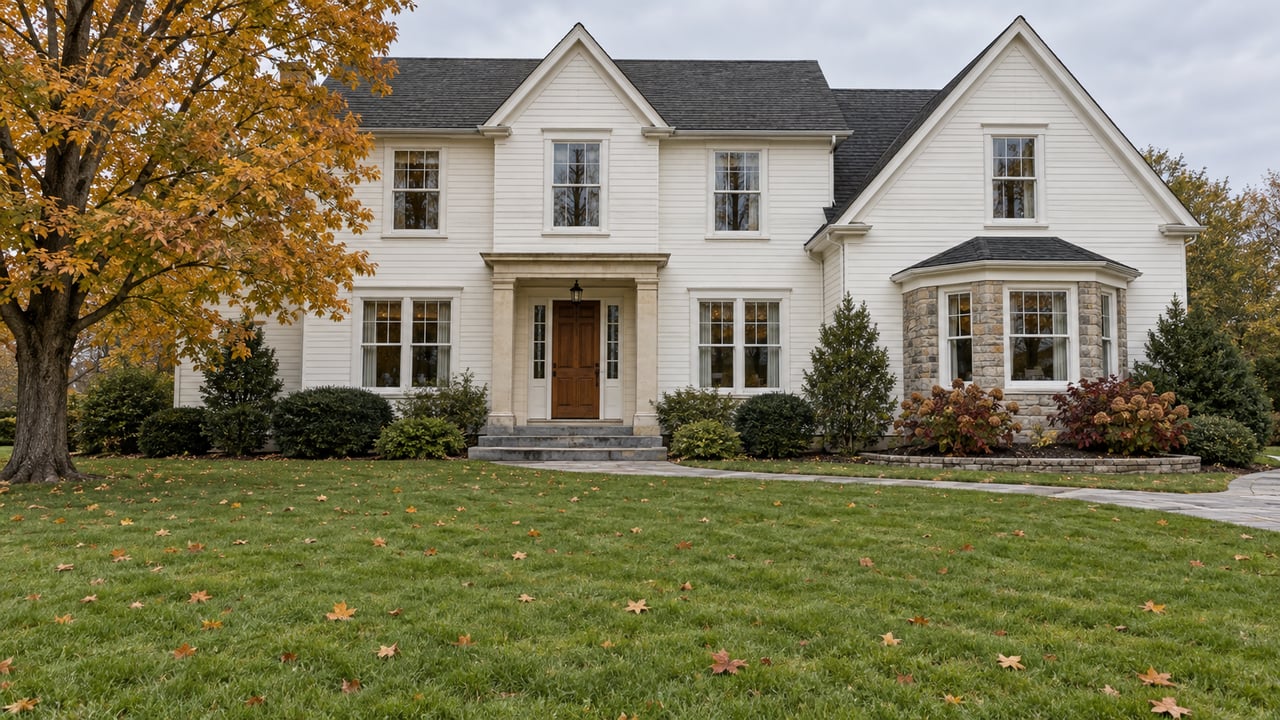
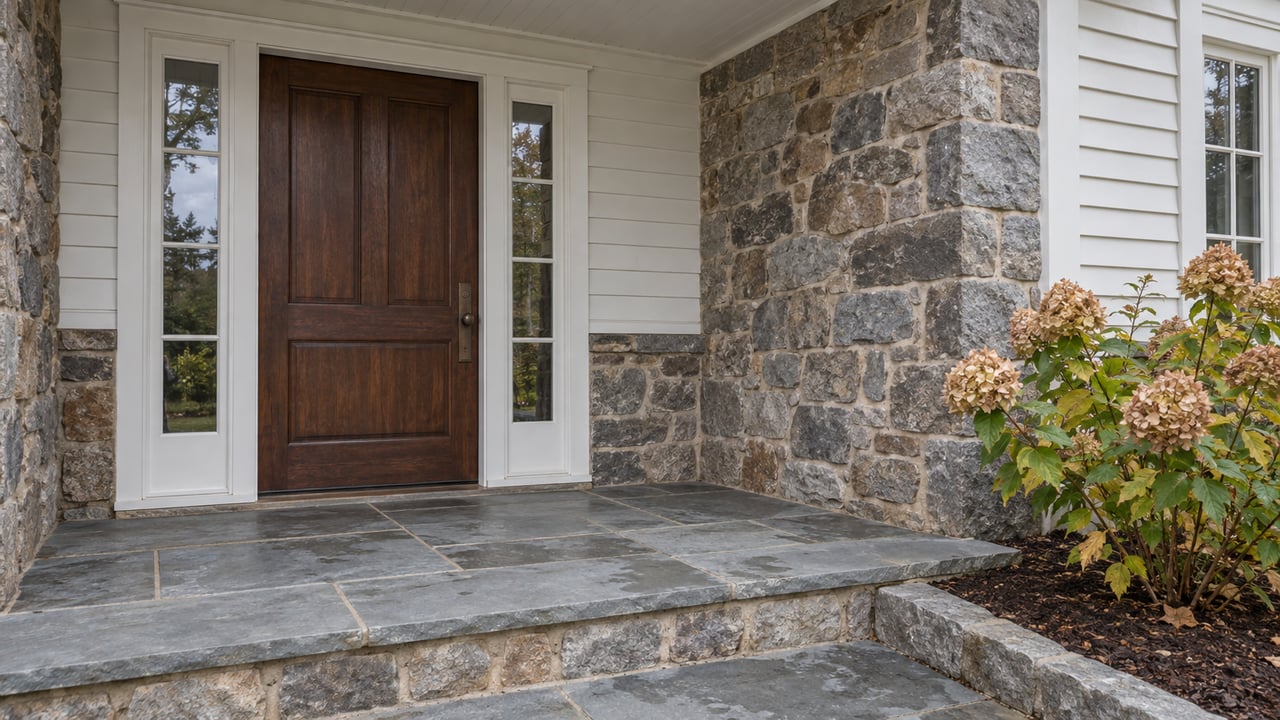
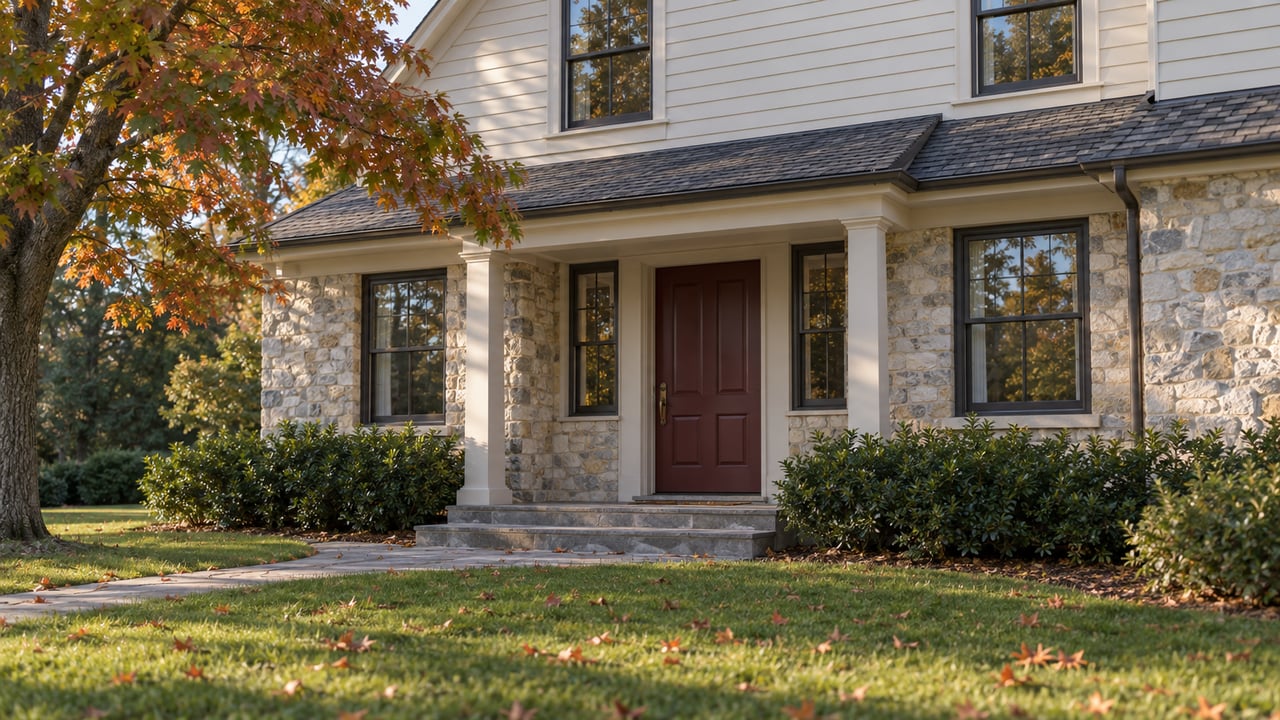
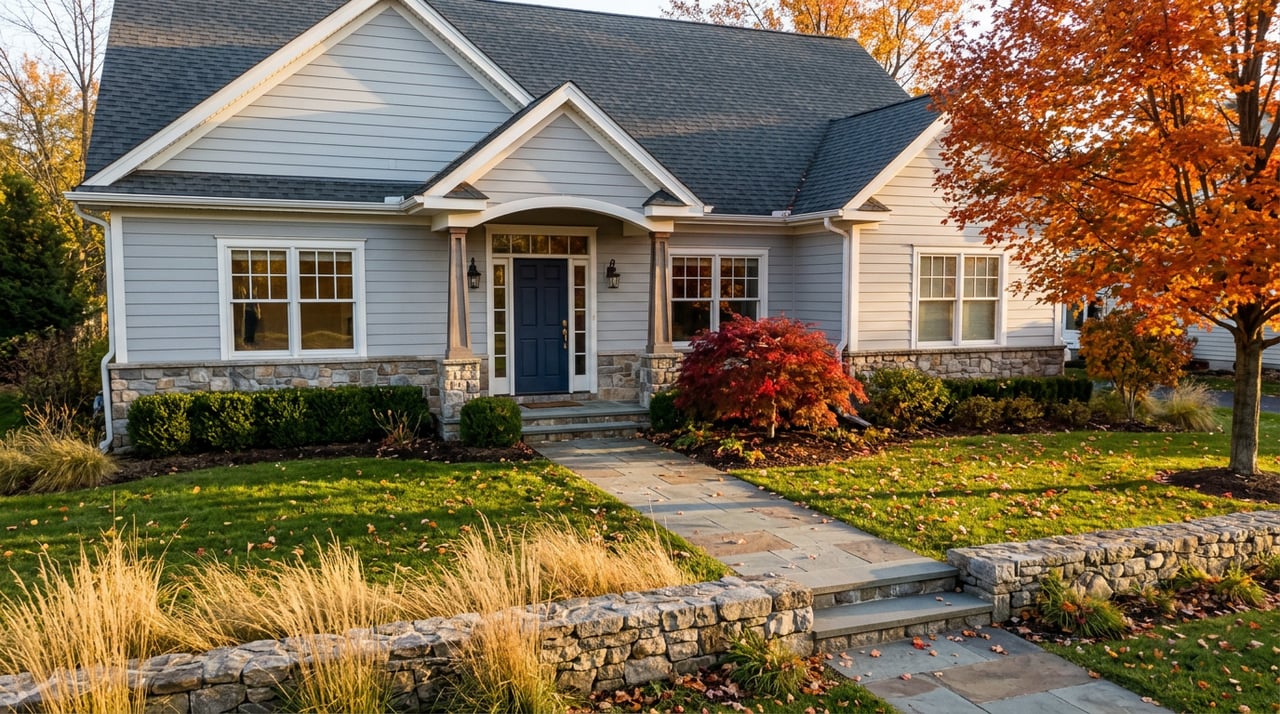
Curb appeal and entry first
Garage door replacements and upgraded entry doors regularly rank among the top resale performers due to high visual impact for a modest cost. For an estate property, consider insulated, upscale garage doors and a refined, well-lit entry. Use Fixr’s Cost vs. Value research as a guide.
Fresh paint and surfaces
A whole-home or main-area repaint in a neutral palette is one of the highest-impact, lowest-risk steps you can take. The latest industry Remodeling Impact research notes painting among the most recommended projects for sellers. Review the NARI and NAR Remodeling Impact Report for context on owner satisfaction and cost recovery.
Kitchen refresh, not a gut
Unless nearby luxury comps demand it, a midrange kitchen refresh tends to outperform a full gut on percentage ROI. Think cabinet refacing or repainting, new counters, hardware, lighting, and targeted appliance upgrades. Validate your decision with your CMA and local sales. See the national patterns in Fixr’s Cost vs. Value summary.
Bathrooms that feel new
Midrange bath updates often deliver solid returns. Re-caulk, re-grout, update vanities and fixtures, swap dated lighting, and replace worn mirrors. Aim for clean and current rather than highly personalized luxury finishes. Cost-vs-value benchmarks from Fixr can guide scope.
Systems and safety first
Buyers may not reward a new HVAC or roof with a high percentage ROI, but unresolved systems issues can sink deals. Service HVAC, address roof or electrical concerns, and take care of safety items before you go live. The NARI and NAR Remodeling Impact Report highlights these as frequently recommended.
What to skip unless comps demand it
Large additions and full-scale luxury remodels often have lower percent recoupment and higher risk of over-improving relative to the neighborhood. Before you consider an upscale addition or new primary suite, validate the plan against recent nearby luxury sales. Use your CMA and reference national trends in Fixr’s Cost vs. Value report.
Stage for the way buyers live now
Staging helps buyers understand scale, flow, and lifestyle. The National Association of Realtors reports that about 29 percent of agents saw staged homes produce a 1 to 10 percent increase in offers, and about half of seller agents observed reduced time on market. The median reported cost for staging services was about $1,500, with agent-handled staging at a median of $500. Large estate homes usually require higher budgets due to scale and furniture needs. Review the data in NAR’s 2025 staging summary: staging boosts prices and reduces time on market.
How to prioritize for luxury listings:
- Stage the high-impact rooms first. The living room, kitchen, and primary bedroom top buyer lists. For estate homes, add the great room, formal dining, home office, theatre, outdoor living, and any unique lifestyle spaces.
- Use neutral, current furnishings and light, cohesive styling. Remove overly personal décor so the home reads aspirational and move-in ready.
- Decide between occupied and vacant staging. Many lived-in estates perform well with edited owner furnishings plus select rental pieces. If vacant, consider full professional staging.
- Virtual staging can supplement online photos, but it should not replace real staging in top-tier listings. Immersive tours and accurate photos build buyer confidence. Learn more about the role of virtual open houses and 3D tours from Matterport’s guide.
Invest in standout visuals and marketing
Buyer discovery starts online, so your media package must be exceptional. For high-end properties, commission:
- Professional photography with daytime and twilight sets
- Aerial drone imagery to capture setting, approach, and acreage
- A 60 to 90 second cinematic video for social and private outreach
- A 3D walkthrough that functions as a virtual open house and pre-qualifies interest
Immersive experiences raise perceived value and reduce unnecessary showings by letting buyers engage deeply before they visit. See why 3D capture is now expected in many markets in Matterport’s resource.
Your agent should also provide a premium MLS entry with full media, a mobile-optimized property website with a downloadable brochure, targeted digital ads, and broker-to-broker outreach with a private preview. If the property warrants it, consider selective print placement and syndication to high-end portals to reach relocation and international buyers.
Your 6 to 12 month prep timeline
Use this step-by-step plan to protect your schedule and your outcome.
9 to 12 months out
- Meet with your agent for a market review and a CMA. Use it to set a renovation budget cap and avoid over-improving.
- Begin design for any project that may require sealed plans. Send pre-application questions to Holmdel if zoning or construction permits are likely. Check the Holmdel plan requirements.
- Collect bids from licensed contractors and confirm insurance and timelines.
6 to 9 months out
- Execute structural or mechanical work such as roof, HVAC, or electrical panel upgrades.
- Start permitted exterior work like driveway updates, pool improvements, or major landscaping and grading.
- Track permit approvals and adjust schedules as needed.
3 to 6 months out
- Complete midrange kitchen and bath refreshes.
- Service HVAC and any specialty systems.
- Finalize your staging plan and sign vendor agreements.
- Finish curb appeal improvements and deep landscaping clean-up.
2 to 6 weeks out
- Install staging.
- Commission professional photos, twilight photography, drone, video, and a 3D tour in the same week for consistency.
- Prepare listing collateral such as floor plans, the property website, and a polished brochure.
- Host a private broker preview and begin controlled showings by appointment with qualified buyers.
Go to market
- Launch on the MLS with full media and begin targeted advertising and broker outreach.
- Gather feedback for the first 7 to 14 days and adjust pricing or positioning as needed.
Security, privacy, and showings
For high-value homes, set clear showing protocols. Limit access to qualified buyers with scheduled appointments, and consider a broker preview. Secure valuables, documents, and prescriptions, and use monitored lock systems. Keep a simple, repeatable checklist for lights, shades, and temperature so the home shows consistently every time.
Quick pre-listing checklist
- Order a pre-listing inspection and gather service records and receipts.
- Confirm permit needs with Holmdel zoning and construction. Submit complete applications early.
- Prioritize curb appeal: entry, garage doors, lighting, driveway, lawn, and trees.
- Book a staging consultation, then budget for living room, primary suite, kitchen, and outdoor living.
- Schedule photos, drone, video, and 3D capture for the same week after staging.
- Prepare a property website and a downloadable brochure.
Your next step
If you want a premium result, align the right upgrades with flawless presentation and market timing. I specialize in guiding Holmdel and Monmouth County sellers through that process with proven staging strategies, elevated marketing, and tight negotiation. Ready for a tailored 6 to 12 month plan and pricing guidance for your property? Connect with Doreen DeMarco to get your free home valuation and next-step checklist.
FAQs
Should I gut my kitchen before selling a Holmdel luxury home?
- Not by default, since midrange kitchen refreshes often deliver stronger percentage ROI than full luxury remodels unless comps clearly support top-tier finishes, so validate scope with a CMA and use Fixr’s Cost vs. Value data as a guide.
What Holmdel projects usually need permits before listing improvements?
- Many additions, finished basements, decks, generators, pools, fences, sheds, solar, and accessory structures require zoning and construction review, so confirm early with the township’s plan requirements page.
Is a pre-listing inspection worth it for an estate property?
- Yes, because it finds issues on your schedule, reduces renegotiation risk, and can support marketing when clean, as industry inspection sources like Pillar To Post note.
How much should I budget for staging a large Holmdel home?
- NAR reports a median of about $1,500 for staging services across transactions, but estate homes often require higher budgets due to multiple rooms and outdoor spaces, so get itemized quotes and align scope with strategy per NAR’s staging report.
Do 3D tours and virtual open houses matter for luxury buyers?
- Yes, because immersive 3D and high-quality video increase remote buyer confidence and can shorten timelines, which aligns with insights in Matterport’s guide.
What upgrades typically offer the best ROI before sale?
- Curb appeal updates, fresh paint, midrange kitchen and bath refreshes, and well-maintained systems tend to perform best, supported by Fixr’s Cost vs. Value and the NARI and NAR Remodeling Impact Report.