If you have been shopping Monmouth County by median price, Middletown is the town that breaks your spreadsheet. A single 41-square-mile municipality with roughly 67,000 residents contains at least three distinct housing markets that trade on different fundamentals, use different commute modes, and hand buyers different closing-cost surprises. The township-wide median tells you almost nothing about the check you will write.
Start with the transaction detail most out-of-town buyers miss. If the home you like sits in Navesink, Locust, or parts of Lincroft, there is a good chance it is on a septic system rather than public sewer. A septic inspection and pump-out is a standard closing condition in those sections, and pre-listing inspections typically run in the $400 to $600 range. That single line item is not in the MLS price. It is also the sort of thing that quietly reopens negotiations two weeks before closing when a buyer's inspector flags a drain field near the end of its service life.
That is the theme of this post. Middletown's median is a legal artifact. The market is three markets.
Three Middletowns in one municipality
The township runs from the Raritan Bayshore in the north down to the Lincroft section that borders Holmdel and Colts Neck in the south. Housing stock, lot size, sewer status, and buyer profile change dramatically as you move between them. Recent section-level pricing looks roughly like this:
| Section | Typical price band (mid-2025) | Housing character | Primary commute anchor |
|---|---|---|---|
| Belford, Port Monmouth, Leonardo, North Middletown | $450K to $700K | Post-war Capes, bungalows, updated shore cottages | Belford SeaStreak ferry |
| New Monmouth, River Plaza, Middletown Village | $650K to $950K | Mid-century split-levels, ranches, updated Colonials | Middletown NJ Transit station |
| Lincroft, Navesink, Locust | $950K to $5M+ | Larger Colonials, custom builds, estate and waterfront | GSP and Middletown station |
Township-level numbers sit on top of that spread. The February 2026 median sold price came in at $799,000 with 31 days on market, and Realtor.com's 07748 recently-sold data lined up at $812,500. April 2026 data from a separate portal showed a $850,000 median across 72 sales. Those are all reasonable snapshots of the same market. None of them tell you what a specific street costs.
The wider trend is worth naming. Middletown's median assessed value climbed roughly 63% over five years, from about $447,000 in 2020 to $729,000 in 2025, with an 11% jump in 2025 alone. That growth was not evenly distributed. Bayshore sections carried the appreciation math on lower absolute prices. Lincroft carried it on higher ones. A buyer setting a $750,000 budget in Middletown is buying in the middle tier by default, whether they intended to or not.
What $800,000 buys in three different Middletowns
The clearest way to see the fiction of the township median is to hold the price constant and change the pin.
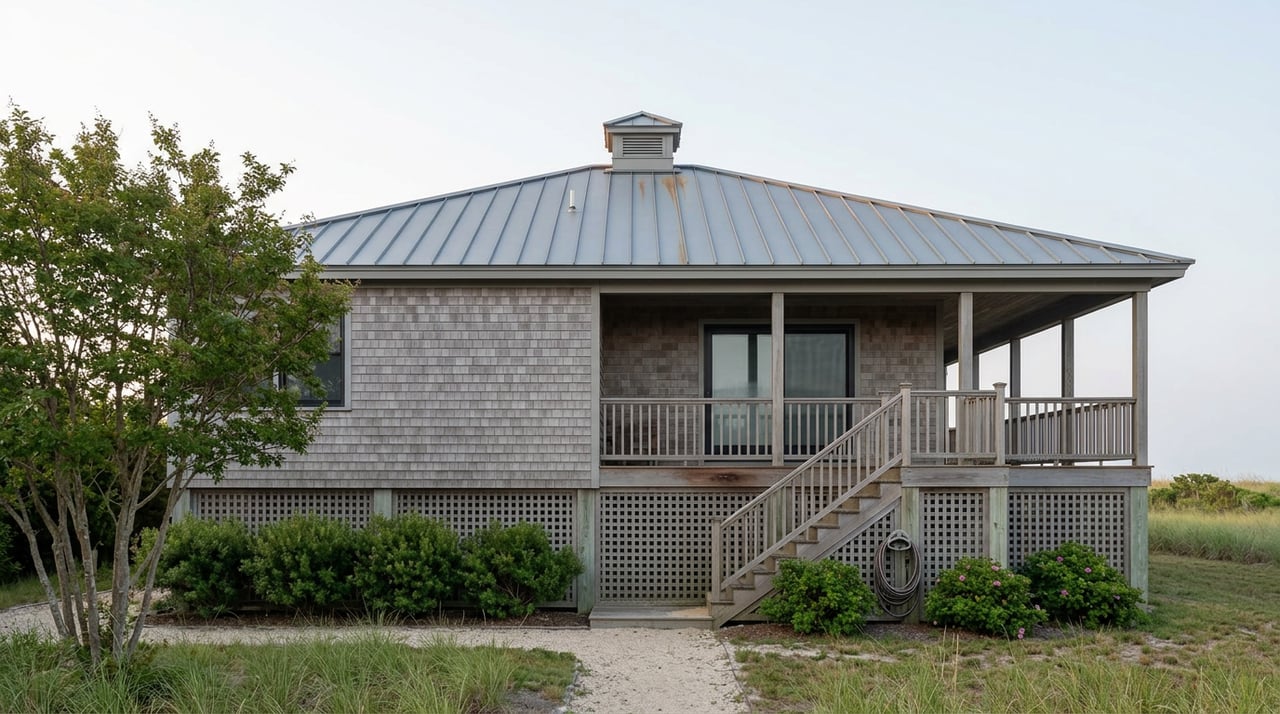
In the Bayshore. Around $800,000 in Belford or Leonardo buys a renovated year-round home, often with water views or close proximity to Sandy Hook Bay. Recent closings in Leonardo have included larger updated homes near $700,000, with waterfront properties pulling into seven figures. The 12-month median in the Leonardo section sat near $615,000, up about 6% year-over-year, and homes there moved in roughly 30 days.
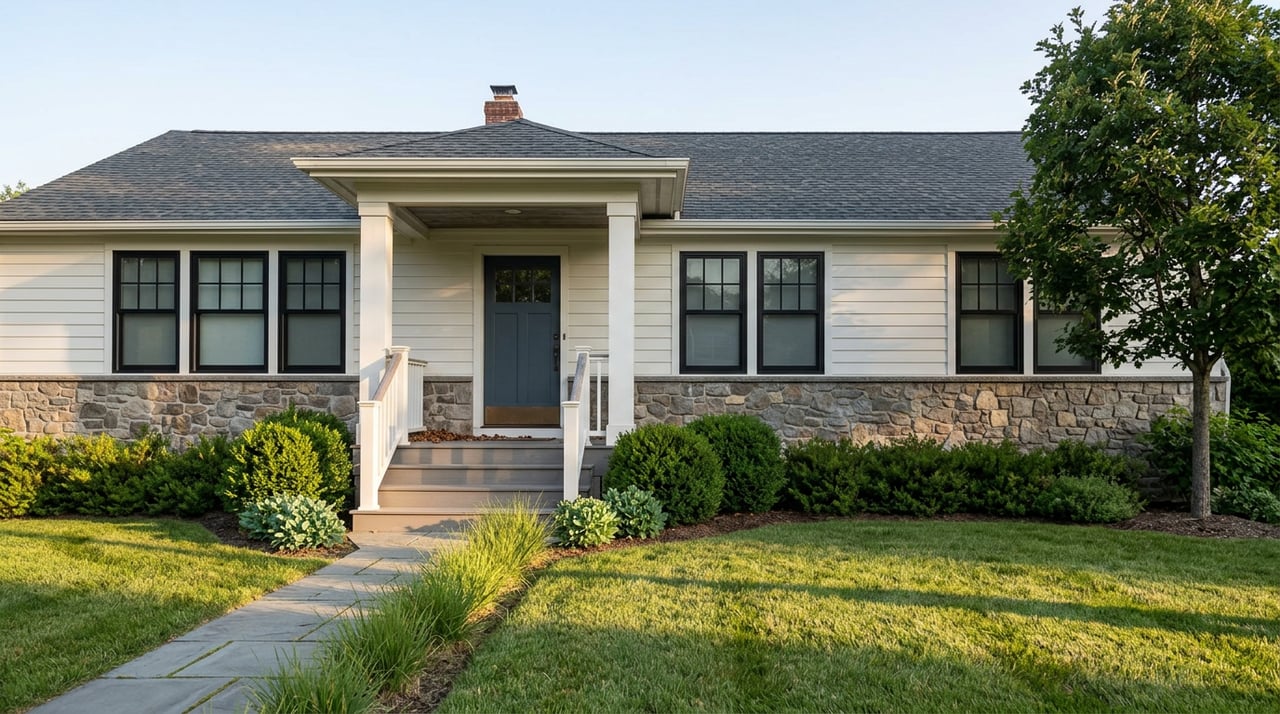
In the central township. The same $800,000 in New Monmouth, River Plaza, or Middletown Village typically buys a well-maintained mid-century Colonial or split-level on a quarter to half acre, on public sewer, inside the walk-to-station catchment for Middletown Village. The average single-family home in the township is 63 years old and about 2,127 square feet, and central-township inventory sits squarely on that average.
In Lincroft or Navesink. $800,000 is often below the entry point. The Lincroft band starts around $900,000 and stretches past $2 million, with Navesink and Locust running $800,000 to $1.5 million and river-frontage or Monmouth Hills estates well above. The buyer who set an $800,000 budget expecting Lincroft is a buyer who has not yet looked at Lincroft comps.
The mechanism behind that spread is not mysterious. Lot size, sewer versus septic, distance to the Middletown train station, and elementary catchment do most of the pricing work. When a buyer says "Middletown," a listing agent's first job is usually to figure out which Middletown they mean.
The commute changes the math
Middletown is one of the few Monmouth towns where the commute question has three genuine answers, and each one favors a different section.
- The Middletown NJ Transit station on the North Jersey Coast Line runs a one-seat ride to New York Penn in roughly 80 to 95 minutes at peak. It anchors demand in Middletown Village, River Plaza, and the closer parts of Lincroft.
- The Belford SeaStreak high-speed ferry runs about 40 minutes direct to lower Manhattan. It is generally the fastest option for Wall Street workers and anchors demand in Belford, Port Monmouth, and Leonardo.
- Garden State Parkway Exits 109 and 114 are inside the township, with Routes 35 and 36 as major arteries. Drivers weight this differently depending on where their office actually sits.
A listing that specifies "three minutes from Middletown station" or "fifteen minutes from Belford ferry" is not sales copy. It is pricing information. Two homes with identical square footage and finish can trade $100,000 apart because one is inside a walk-to-train radius and the other is not.
The line most out-of-town buyers miss
Back to septic. Public sewer is not a township-wide guarantee. Larger-lot sections that developed earlier or that sit outside the sewer authority's service map still run on private systems, and Navesink, Locust, and parts of Lincroft are the sections where this is most common. Two practical consequences:
- Pre-listing inspection. Sellers in septic-served sections benefit from ordering the inspection and pump-out before the sign goes up. The typical spend is $400 to $600. Buyers who see a completed report at first showing have one less variable in their offer math.
- Well water in a subset of homes. Some of the same larger-lot sections also predate the current water utility footprint. Where the home draws from a private well, water testing enters the closing checklist alongside the septic report.
Neither is exotic. Both catch buyers coming from Hoboken, Jersey City, or Brooklyn, where the entire question is invisible.
What is actually being built
The pipeline matters because it hints at where inventory pressure lands next.
The most watched item is the West Nut Swamp Road tract at 114 West Nut Swamp Road, where a Monmouth County judge ordered Middletown to settle with a developer to allow up to 136 townhomes. That is a meaningful addition to a sub-market that has historically been light on attached product. A separate eight-lot subdivision at 911 Middletown-Lincroft Road is before the Planning Board, with two homes designated for adults with intellectual and developmental disabilities. And Veterans Village, a 100% affordable housing complex at 45 Leonardville Road, opened in late 2025.
Read together, the pipeline points to two things. First, more attached inventory is coming to a market that has been almost entirely detached. Second, the township is building housing choice at both ends of the price ladder simultaneously, which will make the section-by-section reading of the market more important, not less.
FAQ
Is the Middletown train station worth a price premium if I only commute two days a week? For most hybrid buyers, the answer is still yes on resale, because the next buyer may commute five days. Homes inside a walk-to-station radius consistently draw a wider bid pool.
How do property taxes vary across sections? Middletown's municipal and school rates apply township-wide. What changes is the assessed value of the underlying home, which is why Lincroft tax bills read very differently from Belford tax bills even at the same effective rate. Ask for the actual assessment card before you write an offer.
Is now a reasonable time to list? The strongest windows for Middletown's family-driven buyer pool are mid-March through mid-June and late September through early November. July and August are the weakest listing windows, not because buyers disappear, but because the family calendar shifts.
Next step
If you are weighing a Middletown purchase or sale and want a section-specific read on your block, comps, and realistic price range, that is the conversation to have before you make a decision. Doreen DeMarco can walk you through it and start with a free home valuation grounded in the sub-market your home actually competes in.