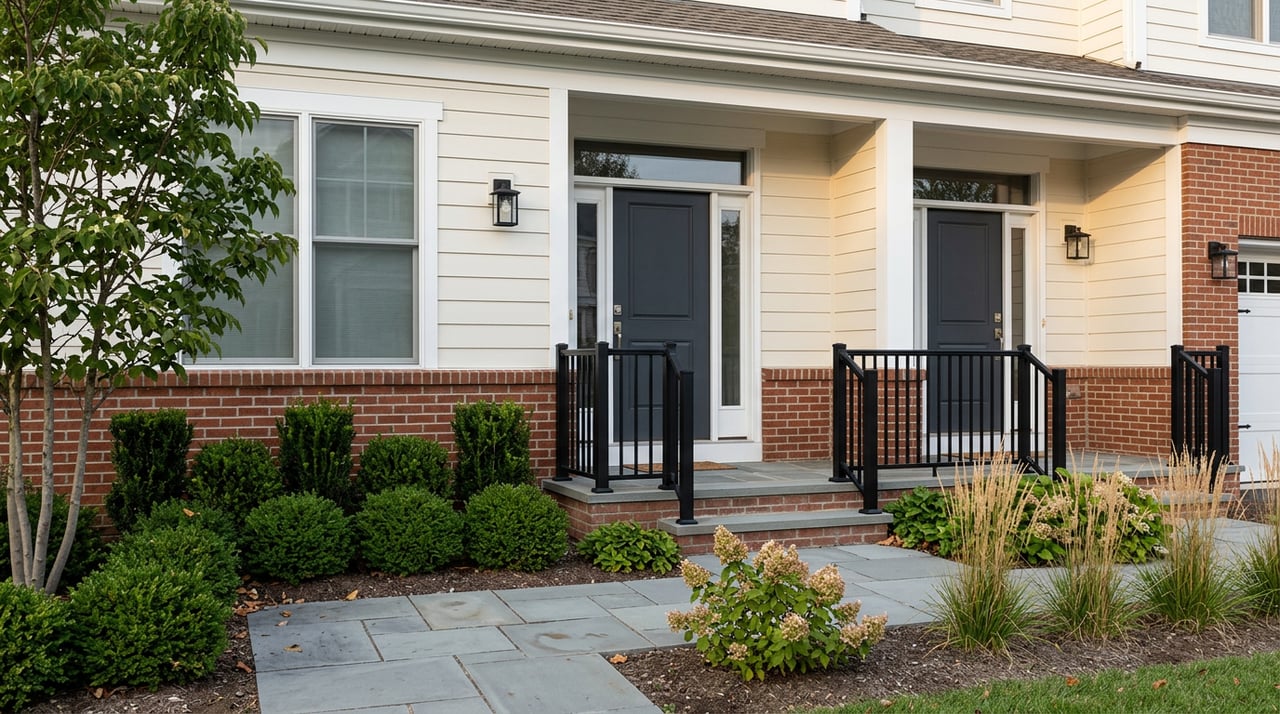
Thinking about a lower‑maintenance home in Monmouth County, but not sure if a condo or townhome in Middletown Township is the better fit? You are not alone. Many buyers want space, convenience, and a manageable monthly budget, especially with NYC‑commute options nearby. In this guide, you will learn how local condos and townhomes differ, what HOA fees usually cover, how financing works for each, and what to watch during due diligence. Let’s dive in.
Condo vs. townhome in Middletown: key differences
Condo, townhome, and attached single‑family sound similar, but they are not the same.
- Condominium unit: You own your unit’s interior plus a fractional interest in common elements. The association typically maintains exteriors and shared areas. Under the New Jersey Condominium Act, associations manage common elements and enforce rules. Read an overview of those responsibilities in this legal summary of the Act. (New Jersey Condominium Act summary)
- Townhome‑style condo: These look like multi‑level townhouses but are legally condos. Exteriors and many site elements are handled by the association, as defined in the master deed.
- Attached single‑family (fee‑simple): You own the structure and often the lot. The HOA typically maintains only shared spaces. Exterior maintenance, roof, and driveway may be your responsibility.
The master deed and bylaws define where the unit ends and common elements begin. Always read them to confirm who handles the roof, siding, and insurance details.
What you will find in Middletown today
Middletown Township offers a mix of older garden‑style condos and townhome complexes from the 1980s–2000s, along with newer townhome communities delivered since about 2018. Recent snapshots show a relatively high median listing price for condos, often in the high $600Ks. Pricing shifts with inventory and amenities, so use current MLS data when you get serious.
Newer townhome‑style condo communities, such as Heritage at Middletown, offer 3 to 4 bedrooms, roughly 2,000 to 2,600 square feet, and 2‑car garages, plus community gathering spaces. You can review developer notes for a sense of amenities and buyer targeting. (Heritage at Middletown community update)
Older communities like Cambridge Manor tend to offer smaller floorplans, often with 2 bedrooms and simpler amenity sets. These can present a more attainable entry point and may reflect lower annual taxes compared with newer luxury builds.
Water‑adjacent options in the Port Monmouth area sometimes include higher‑service associations that add pool access and shore‑related maintenance, which shows up in the monthly fee.
Typical layouts and amenities
- Condos and garden‑style units: Common layouts include 1 to 2 bedrooms. Some buildings offer two‑level units or basements. Floor area varies widely.
- Townhome‑style condos: Often 2 to 4 bedrooms across 2 or 3 floors, with direct‑entry or 2‑car garages. Open kitchens and decks are common in newer builds.
Amenities that often appear in Middletown communities:
- Clubhouse, fitness room, playgrounds, walking paths, and outdoor gathering areas. Heritage at Middletown is a good example of this amenity style. (Community amenities overview)
- Pools in select waterfront developments and shore‑style features.
- Landscaping, trash, snow removal, and exterior or common‑area maintenance.
Amenities and coverage vary by HOA. Always confirm specifics in the master deed, budget, and association disclosures.
HOA fees: ranges and what they cover
Monthly HOA dues vary by product type and amenity level in Middletown:
- Lower‑amenity or smaller complexes have been seen near the low‑$100s, even around $68 per month in select cases.
- Many newer townhome‑style condos land roughly between $300 and $450 per month. A common mid‑range example is near $325 per month in newer communities.
- High‑service or waterfront associations can reach the upper $900s per month when pools and expanded common services are included.
What dues usually include:
- Common services like trash, lawn care, snow removal, and exterior or shared‑area upkeep
- Professional management and community amenity maintenance
- Sometimes exterior insurance and building maintenance, as defined in the governing documents
Quick budget lens: If a newer Middletown townhome carries approximately $10,500 in annual property taxes and a $325 monthly HOA, your non‑mortgage carrying cost would be about $1,200 per month. That is $875 for taxes plus $325 HOA. Add principal, interest, and homeowner’s or HO‑6 insurance to estimate your full monthly budget.
Maintenance and insurance: know who covers what
In a condo or townhome‑style condo, the association typically handles common elements. The New Jersey Condominium Act clarifies these duties for associations and gives buyers a framework for what to expect. (NJ Condominium Act overview)
Your unit policy matters too. Most condo buyers carry an HO‑6 policy that covers interior finishes and personal liability. Ask the association for a copy of its master insurance declarations and confirm deductibles and exclusions, including wind and flood if relevant. For fee‑simple attached homes, you will usually carry a traditional homeowner’s policy that covers exterior components.
Financing attached homes: warrantability and approvals
Condo and townhome financing can hinge on the project’s eligibility, not just your credit.
- Many lenders use Fannie Mae’s project review rules to determine if a condo is warrantable. Reserve funding, owner‑occupancy mix, assessment delinquencies, and any material litigation can affect eligibility. You can read Fannie Mae’s project review reference for context. (Fannie Mae condo project reference)
- FHA loans allow single‑unit approvals in some cases, but the project still must meet FHA standards. Factors include owner‑occupancy, reserves, and other metrics. Review FHA’s 2019 update for a plain‑language overview. (FHA single‑unit approval guidance)
Smart step: Ask your lender early whether the specific condo or townhome project is warrantable and what documentation they will need from the HOA.
Commute and coastal considerations
- Transit: Middletown Station on NJ Transit’s North Jersey Coast Line is the main rail stop for the township. Many newer townhome communities highlight quick access to Middletown and Red Bank stations. Schedules and transfer details are available here. (NJ Transit Middletown Station)
- Flood and coastal risk: Bayside areas like Port Monmouth can have elevated flood considerations. The township has hosted flood insurance education and continues flood‑control efforts. Review local updates and check FEMA flood maps before you buy in low‑lying zones. (Middletown civic alerts and flood updates)
Which option fits your life
- First‑time buyers and couples: 1 to 2 bedroom condos or older townhome communities can offer approachable pricing and lower exterior upkeep.
- Growing households: Newer townhome‑style condos with 3 to 4 bedrooms and 2‑car garages deliver space with community amenities and limited exterior maintenance.
- Downsizers: Single‑level condos or attached homes with little to no yard work can simplify daily living. Check for elevator access, visitor parking, and strong association management.
- Investors: Review rental rules, owner‑occupancy ratios, and lender eligibility. These factors affect cash flow and resale.
Buyer due‑diligence checklist
Ask for the full HOA or condo packet during your review period. Key items include:
- Declaration or master deed, bylaws, rules, and amendments
- Current operating budget and year‑to‑date financials
- Most recent reserve study and current reserve balance
- Minutes from the last 12 months of board meetings
- Master insurance declarations and deductibles, including wind and flood details
- Notices on special assessments or capital projects
- Litigation disclosures involving the HOA or developer
- Delinquency report on assessments
- Rental rules and occupancy restrictions
- Confirmation of FHA, VA, and Fannie warrantability if you plan to use those loans
Real‑world snapshots to guide your search
- Heritage at Middletown: Newer townhome‑style condos that often feature 3 to 4 bedrooms, about 2,000 to 2,600 square feet, and 2‑car garages. Amenities typically include a clubhouse, fitness room, and playgrounds. Many units show mid‑range monthly HOA fees in local listing data.
- Cambridge Manor and similar 1980s–2000s complexes: Smaller two‑bedroom layouts and simpler amenities that can keep list prices and taxes more approachable.
- Port Monmouth waterfront options: Higher‑service communities may include pool access and expanded shore‑related maintenance, which correlates with higher HOA dues.
- Smaller or limited‑amenity complexes: Select neighborhoods display lower monthly dues that reflect fewer common services.
These examples are snapshots. Your best next step is to review current MLS data for active opportunities and updated HOA and tax figures.
Your next step
If you want a clear plan for the right fit and budget, let’s talk through your goals, timeline, and commute needs. I will help you compare real units side by side, review the HOA packet with you, and coordinate with your lender on project eligibility.
Have questions or want to start a tailored search? Connect with Doreen DeMarco for a one‑on‑one consultation.
FAQs
What is the difference between a condo and a townhome in Middletown?
- A condo owner typically owns the interior and shares common elements managed by an association, while a fee‑simple townhome owner often owns the exterior and lot; some townhomes are legally condos with association‑handled exteriors defined by the master deed.
How much are HOA fees for Middletown condos and townhomes?
- Recent local examples range from about $68 per month in smaller complexes to around $955 per month in high‑amenity waterfront communities, with many newer townhome‑style condos near $300 to $450.
What do HOA dues usually cover in Middletown?
- Common services like landscaping, trash, snow removal, and exterior or common‑area maintenance, plus amenities such as a clubhouse or fitness room, as specified in the governing documents.
Are Middletown condos eligible for FHA or conventional loans?
- Many are, but condo financing depends on the project’s eligibility; review FHA’s single‑unit approval policy and have your lender check Fannie Mae project standards early. (FHA overview) (Fannie Mae reference)
How close are these communities to NJ Transit for NYC commutes?
- Many townhome and condo areas promote quick access to Middletown Station on the North Jersey Coast Line, with schedules and transfers available online. (NJ Transit Middletown Station)
Should I worry about flood risk near Port Monmouth?
- Waterfront and low‑lying areas can carry added flood considerations; check township updates and FEMA mapping, and price flood insurance before you buy. (Middletown flood updates)